Inhalers for Asthma: Are They Safe for Children?
Introduction
Asthma is a common long-term breathing condition that affects many children around the world. The World Health Organization reports that asthma is one of the leading causes of hospital visits and missed school days in children. Because asthma can interfere with daily life and normal growth, proper treatment is very important.
Inhalers are the main treatment used for asthma. However, many parents worry about whether inhalers—especially those containing steroids—are safe for their children. This article explains the types of inhalers used in children and discusses their safety in simple terms.
What Is Pediatric Asthma?
Asthma is a condition where the airways become inflamed and narrow, making it hard to breathe. Children with asthma may experience:
- Wheezing
- Coughing (especially at night)
- Shortness of breath
- Chest tightness
In younger children, asthma may appear mainly as repeated coughing or wheezing during colds. If asthma is not treated properly, it can affect lung growth and overall health.
Treatment plans are based on international guidelines such as those from the Global Initiative for Asthma, which recommend early and regular use of inhaled medications to control inflammation.
Types of Inhalers Used in Children
Inhalers work by delivering medicine directly into the lungs. This allows smaller doses to be used and reduces side effects compared to medicines taken by mouth.
There are two main types of inhalers
1. Reliever (Rescue) Inhalers
These inhalers are used during an asthma attack to quickly open the airways.
A common example is Salbutamol (also called albuterol). It relaxes the airway muscles within minutes and makes breathing easier.
Are they safe?
Yes, when used as directed. Some children may experience:
- Mild shaking (tremors)
- Fast heartbeat
- Feeling restless
These effects are usually short-term and go away quickly.
2. Controller (Preventive) Inhalers
These inhalers are taken daily to prevent symptoms and reduce inflammation in the airways
a. Inhaled Corticosteroids (ICS)
Common examples include:
- Budesonide
- Fluticasone
These medicines reduce swelling and mucus in the airways, helping to prevent asthma attacks.
Safety in children:
In low or moderate doses, they are generally very safe. Possible side effects include:
- Slight slowing of growth (usually small and temporary)
- Hoarse voice
- Oral thrush (a mild fungal infection in the mouth)
Research shows that any small effect on growth is usually limited to the first year of treatment and does not greatly affect adult height. In fact, poorly controlled asthma can affect growth more than these medications.
b. Combination Inhalers
Some inhalers combine a steroid with a long-acting medicine such as Formoterol. These are used in children whose asthma is not well controlled with steroids alone.
Long-acting medicines should always be used together with a steroid inhaler. When used properly under medical supervision, combination inhalers are considered safe.

Why Inhalers Are Generally Safe
1. Medicine Goes Directly to the Lungs
Inhalers deliver medication straight to the lungs, where it is needed most. Because of this:
- Lower doses are required
- Less medicine enters the bloodstream
- There are fewer body-wide side effects
This makes inhalers safer than steroid tablets, which can cause more serious long-term side effects.
2. Growth Concerns
Many parents worry that steroid inhalers may stunt their child’s growth. Studies show:
- There may be a small decrease in growth during the first year.
- The effect is usually minor.
- Final adult height is generally not significantly affected.
- Doctors usually monitor a child’s height regularly to ensure normal growth.
3. Rare Side Effects
In very high doses, inhaled steroids can rarely affect the adrenal glands (which produce hormones). This is uncommon and usually happens only with high doses or improper use.
Rescue inhalers may sometimes cause temporary hyperactivity or trouble sleeping, but these effects are usually mild.
Importance of Correct Inhaler Use
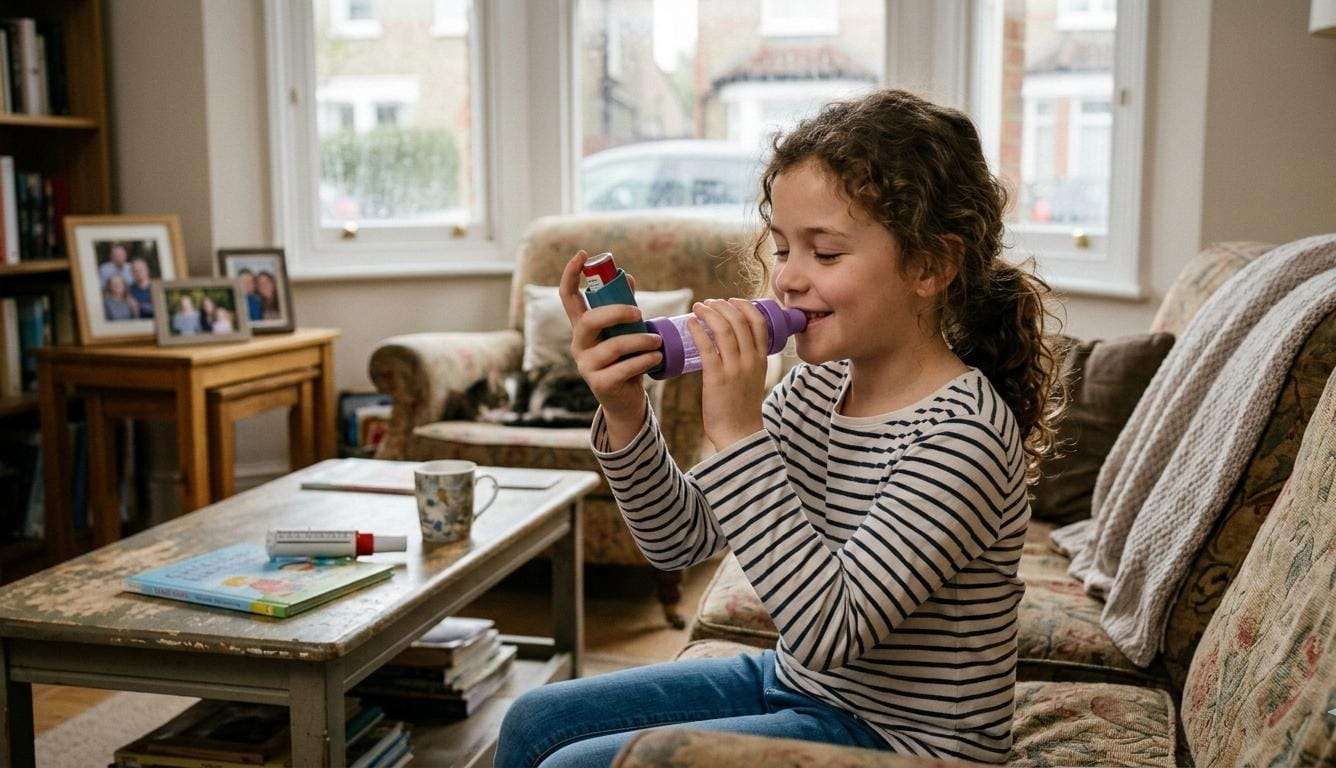
Using the inhaler correctly is very important. Poor technique can reduce how much medicine reaches the lungs.
- Babies and young children often use a spacer with a mask.
- Older children should be taught proper inhaler technique.
- Doctors and nurses should check inhaler technique during follow-up visits.
Benefits Compared to Risks
If asthma is not treated properly, children may experience:
- Frequent hospital visits
- Poor school attendance
- MLimited physical activity
- Long-term lung damage
The benefits of inhalers—especially preventing serious asthma attacks—are much greater than the small risk of side effects.
Good asthma control allows children to:
- Attend school regularly
- Play sports
- Sleep better
- Live normal, active lives
- Safety Tips for Parents and Caregivers
To make inhaler use as safe as possible:
- Follow the doctor’s instructions carefully.
- Use the lowest effective dose.
- Monitor your child’s growth regularly.
- Ensure proper inhaler technique.
- Attend regular follow-up visits.
- Keep a written asthma action plan.
- Working closely with healthcare providers helps ensure safe and effective treatment.
Summary
Inhalers are the most effective and safest way to treat asthma in children when used correctly. Rescue inhalers like Salbutamol quickly relieve symptoms, while daily controller inhalers such as Budesonide and Fluticasone prevent inflammation and reduce asthma attacks.
Although mild side effects like slight growth delay or temporary tremors may occur, these are generally small and manageable. The risks of untreated asthma are much more serious than the risks of inhaler use.
According to recommendations from the Global Initiative for Asthma, regular use of inhaled medications is key to keeping asthma under control.
In conclusion, inhalers are safe for pediatric patients when prescribed properly, used correctly, and monitored regularly. They play a vital role in helping children with asthma breathe easily and live healthy, active lives.