
A Guide to Immunization: Common Inquiries and Clinical Facts
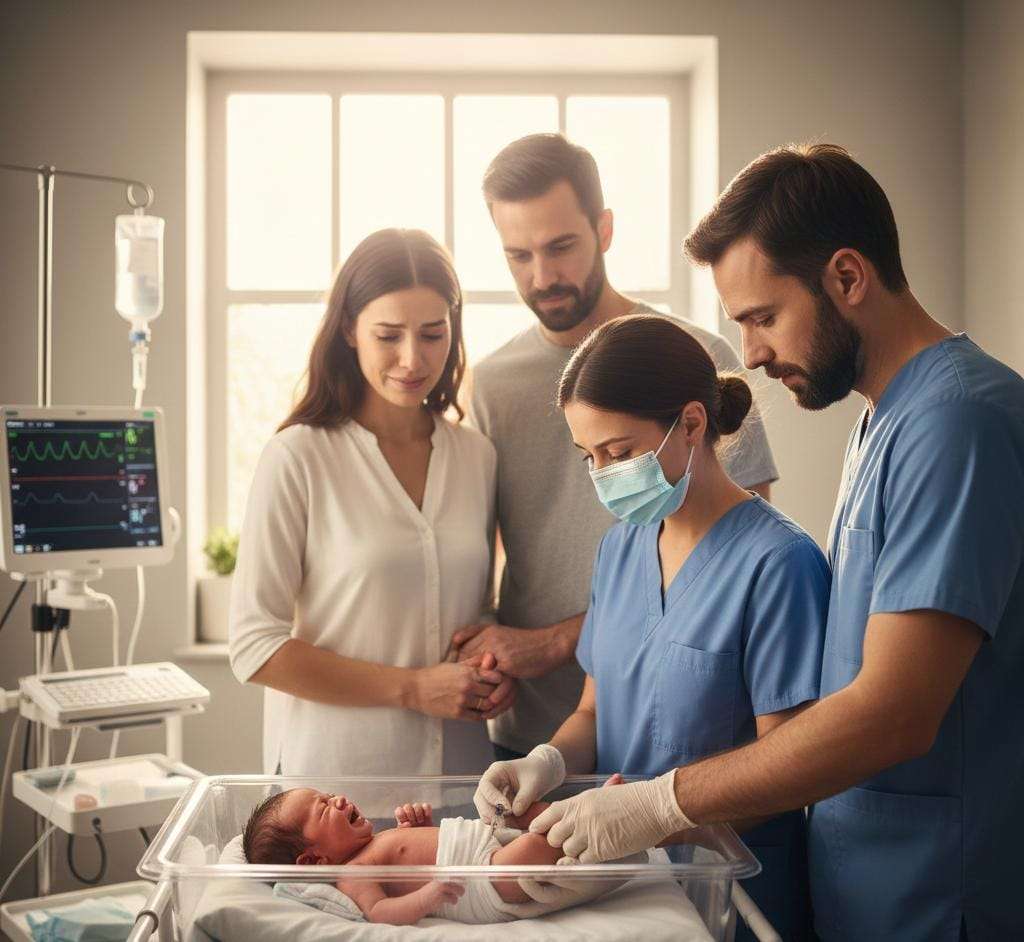
Vaccinations represent a pinnacle of healthcare achievement, saving millions of lives annually. This document aims to clarify frequent concerns through simple, evidence-based explanations regarding their function, safety protocols, and societal necessity.
1. Defining the Mechanism: How Inoculations Protect You
What exactly is a vaccine?
An immunization is a medical tool designed to prime your body’s internal defenses against specific pathogens. Rather than reacting to a sickness after it takes hold, these treatments provide a “preview” of the germ so your body can prepare a defense in advance.
How does the training process work?
Vaccines introduce either a deactivated version of a microbe or a small protein “blueprint” to your system. This triggers a controlled internal response without making you clinically ill.
During this process, your immune system performs three vital tasks:
Identification: It spots the foreign invader.
Antibody Creation: It builds specific proteins meant to neutralize that exact threat.
Memory Storage: It creates a biological record, ensuring that if you encounter the real virus later, your body can destroy it before symptoms even begin.
2. Evaluating Safety Standards and Physical Reactions
What exactly is a vaccine?
Absolutely. Every modern vaccine undergoes an intensive, multi-year validation process involving large-scale clinical trials. Furthermore, health regulators monitor these products indefinitely after they reach the public to catch even the rarest complications.
What should I expect after the injection?
Minor physical reactions are common and actually indicate that your body is building a defense. These effects usually vanish within a day or two and may include:
- Mild discomfort or swelling at the needle site.
- A slight increase in body temperature.
- General tiredness or a dull headache.
- Temporary muscle stiffness.
Is it possible to catch the disease from the shot?
No, this is a physiological impossibility with modern formulas. Because the ingredients are either dead, fragmented, or genetically mapped instructions, they lack the machinery to replicate or cause a full-blown infection in the patient.
3. Ingredients and Chemical Composition
What components are found in a vial?
To remain stable and effective, vaccines require specific secondary ingredients alongside the active antigen:
- Adjuvants: Substances that amplify the body’s protective response.
- Stabilizers: Compounds like sugars that protect the formula during temperature changes.
- Preservatives: Elements that keep multi-dose containers free of bacteria.
- Manufacturing Traces: Microscopic amounts of substances used during growth, such as yeast or egg.
Concerns regarding mercury
While a mercury-based stabilizer called thimerosal was used historically, it has been removed from nearly all pediatric vaccines for over two decades. Scientific consensus confirms that these trace amounts never posed a risk for neurological disorders or autism.
4. Understanding Timing and Schedules
Why is the infant schedule so crowded?
Doctors recommend early vaccination because babies are highly susceptible to life-threatening complications from ailments like measles or pertussis. A child’s immune system is naturally robust; it encounters more environmental germs daily than it does through its entire series of shots.
Is vaccination necessary for adults?
Yes, protection is not a “one-and-done” event. Some defenses fade over time, while other risks increase as we age. Key adult boosters include:
- Tdap: Protects against tetanus and whooping cough every decade.
- Annual Flu Shot: Adjusted every year to match circulating strains.
- Shingles: Essential for those 50 and older to prevent painful nerve issues.
- Pneumonia Vaccines: Critical for protecting the lungs of seniors.
5. The Concept of Collective Defense
Defining "Herd Immunity"
Community protection occurs when enough people are immune to a virus that it can no longer find new hosts to infect. This creates a “safety net” for individuals who are medically unable to be vaccinated, such as cancer patients or those with severe allergies.
Why individual participation matters
Relying on the immunity of neighbors is a fragile strategy. When vaccination rates dip below a certain threshold, the “herd” protection breaks, allowing old diseases to resurface in the community.
6. Separating Medical Fact from Common Fiction
Common Myth Scientific Reality
Shots trigger autism. Global research involving millions of participants has definitively proven there is no causal link.
Natural infection is superior. While surviving a disease grants immunity, it often comes with the risk of permanent disability or death.
Sanitation eliminated disease. While hygiene is vital, historical data shows that infection rates only plummeted exactly when specific vaccines were introduced.
7. Modern Innovations and Rapid Development
How was the COVID-19 vaccine finished so quickly?
The accelerated timeline was the result of a “perfect storm” of efficiency:
Existing Blueprints: Researchers had been refining mRNA technology for 20 years.
Global Funding: Massive financial backing removed the usual administrative delays.
Simultaneous Testing: Clinical phases were run in tandem rather than waiting years between each step, all while maintaining strict safety oversight.
8. Summary: Choosing Prevention
Opting for vaccination is an investment in both personal longevity and public safety. By keeping your immunizations current, you act as a barrier against the spread of dangerous pathogens.