
Can Mobile Phones Cause Autism? Myth vs Facts
Introduction
With the rapid growth of technology, mobile phones have become a part of everyday life—even for children. As awareness about developmental disorders increases, many parents worry about possible environmental causes. One common question is: Can mobile phones cause autism?
Autism, medically known as Autism Spectrum Disorder (ASD), is a complex developmental condition that affects communication, behavior, and social interaction. Because the exact causes of autism are not fully understood, myths often fill the gap. One of the most persistent myths is that mobile phone radiation may trigger autism.
In this blog, we will separate myths from scientific facts.
Understanding Autism Spectrum Disorder
Autism Spectrum Disorder is a neurodevelopmental condition that usually appears in early childhood, often before the age of three. It affects how a child:
- Communicates
- Interacts socially
- Learns and processes information
- Behaves and responds to sensory input
The term “spectrum” means symptoms and severity vary widely from person to person.
According to the Centers for Disease Control and Prevention (CDC), autism affects approximately 1 in 36 children in the United States. The rise in reported cases over recent decades has led to concerns about environmental causes—but increased awareness and improved diagnosis are major contributing factors.
The Myth: Mobile Phones Cause Autism
Some people believe that:
- Radiation from mobile phones affects the developing brain.
- Pregnant women using mobile phones may increase autism risk.
- Excessive screen exposure in early childhood leads to autism.
These claims often spread through social media, blogs, and anecdotal stories—but what does science actually say?
Understanding Mobile Phone Radiation
Mobile phones emit radiofrequency (RF) electromagnetic radiation, a type of non-ionizing radiation. This is very different from ionizing radiation (like X-rays), which can damage DNA.
Non-ionizing radiation: Does not have enough energy to change DNA structure.
Primarily produces minimal heat in tissues.
It has not been proven to cause developmental brain disorders.
Major health organizations, including the World Health Organization (WHO), state that current evidence does not confirm adverse health effects from low-level mobile phone exposure.
Importantly, no credible scientific body has identified mobile phone radiation as a cause of autism.
Nutrition in the preschool years establishes the foundation for long-term metabolic health.
(a) Myth: Glucose consumption triggers hyperactive behavior.
The Fact: Scientific literature consistently demonstrates that sugar intake does not cause Attention Deficit or hyperactivity. The behavioral spikes often observed at social gatherings are usually a reaction to the environment and overstimulation rather than the food consumed. However, limiting refined sugars remains essential for preventing dental decay.
(b) Myth: Liquid fruit extracts are as nutritious as whole produce.
The Fact: Juices lack the dietary fiber found in solid fruit and consist mostly of concentrated sugars.
Medical Guidelines: Children under twelve months should avoid juice entirely. For those aged one to five, intake should be strictly limited to small portions (4–6 ounces) to prevent excessive caloric intake and tooth erosion.
What Does Research Say?
Multiple large-scale studies have investigated environmental risk factors for autism. To date: There is no strong scientific evidence linking mobile phone use during pregnancy to autism.
There is no proven biological mechanism showing that RF radiation causes ASD.
Autism begins during early brain development—often before birth.
Research suggests that autism is primarily influenced by:
- Genetic factors
- Prenatal brain development
- Certain pregnancy-related risk factors
Studies show that genetics play a significant role. If one child in a family has autism, the likelihood of another sibling being affected is higher than in the general population.

The Fact: Autism Is Multifactorial
Experts agree that autism is caused by a combination of genetic and environmental factors—but not mobile phone radiation.
Known Risk Factors Include:
- Advanced parental age
- Premature birth
- Low birth weight
- Certain genetic conditions
- Maternal infections during pregnancy
None of these involve mobile phone exposure as a proven cause.
According to the National Institute of Mental Health (NIMH), autism is a developmental condition with strong genetic links and early brain development differences.
Screen Time vs Autism: Clearing the Confusion
One reason this myth persists is confusion between screen time effects and autism.
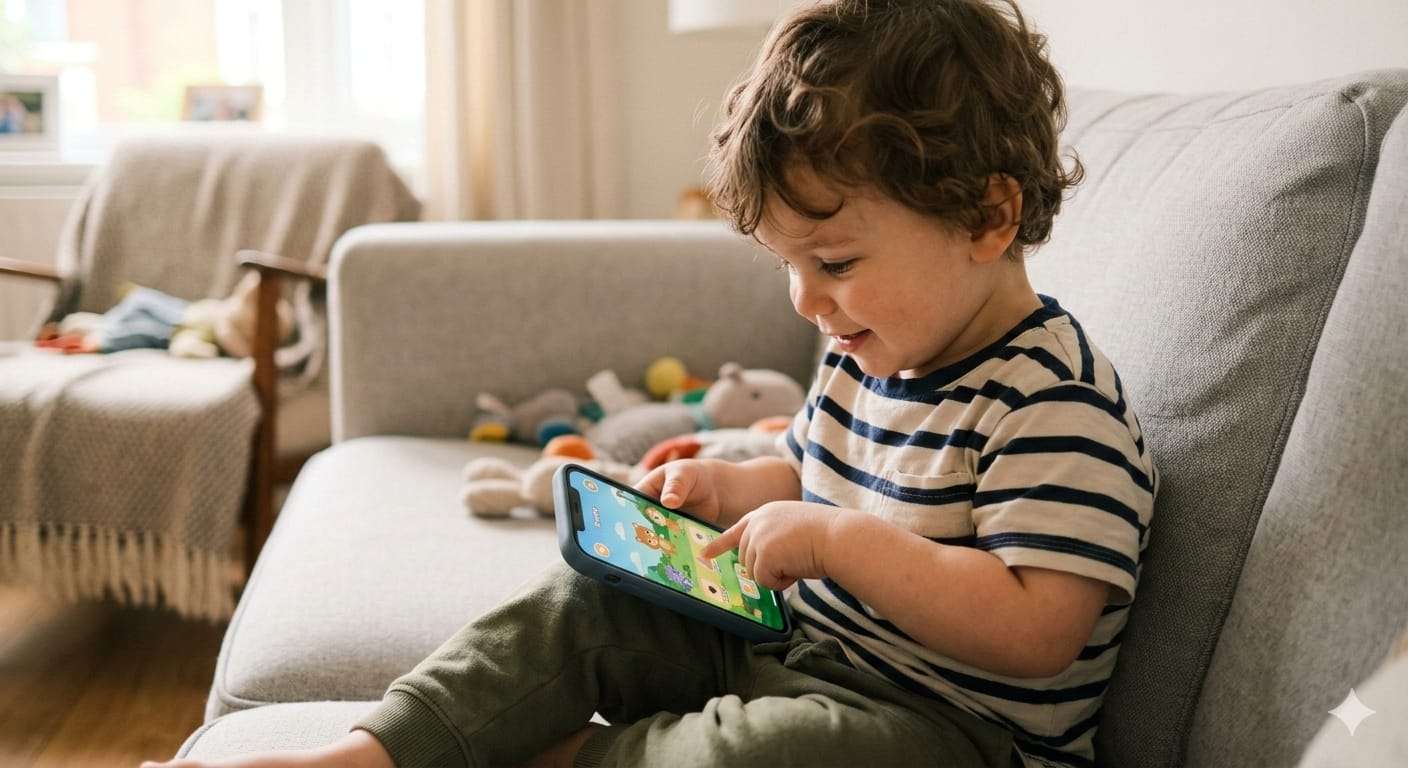
Excessive screen time in young children may lead to:
- Delayed language development
- Reduced social interaction
- Attention difficulties
However, these are not the same as autism. Autism involves specific patterns of social communication difficulties and restricted or repetitive behaviors that cannot be caused simply by screen exposure.
In some cases, children who already have early signs of autism may prefer screens because they find them predictable and less socially demanding. This can create the false impression that screens caused the condition.
Why the Myth Persists?
Several factors contribute to the spread of this belief:
- Rising autism diagnosis rates – Increased awareness and broader diagnostic criteria have led to more diagnoses.
- Widespread mobile phone use – Because phones are everywhere, they are easy to blame.
- Fear of technology – New technologies often generate health concerns.
- Social media misinformation – Claims can spread quickly without scientific support.
It is important to rely on peer-reviewed scientific research rather than anecdotal stories.
What About Pregnant Women?
Pregnant women often worry about phone use affecting their unborn child. Current evidence shows:
Normal mobile phone use during pregnancy is not linked to autism.
There is no established guideline recommending complete avoidance.
General precautionary measures (like using speaker mode if concerned) can reduce exposure further, though this is not medically required for autism prevention.
The WHO continues to monitor research but has not identified autism as a risk linked to mobile phones.
What Parents Should Focus On
Instead of worrying about mobile phones causing autism, parents can focus on:
- Regular prenatal care
- Avoiding smoking and alcohol during pregnancy
- Ensuring proper nutrition
- Monitoring developmental milestones
- Encouraging social interaction and play
If parents notice developmental concerns—such as lack of eye contact, delayed speech, or repetitive behaviors—they should seek early evaluation. Early intervention greatly improves outcomes.
Balanced Use of Technology
While mobile phones do not cause autism, excessive screen use in young children can impact development in other ways.
Pediatric experts recommend:
- Limiting screen time for children under 2 years
- Encouraging interactive play
- Prioritizing face-to-face communication
- Monitoring content quality
- Healthy technology habits support cognitive and emotional development.
Summary: Myth vs Fact
Myth:
Mobile phone radiation causes autism.
Fact:
There is no scientific evidence that mobile phones cause Autism Spectrum Disorder.
Autism is a complex neurodevelopmental condition strongly influenced by genetics and early brain development. Major health authorities, including the World Health Organization and the Centers for Disease Control and Prevention, do not list mobile phone use as a cause of autism.
While responsible screen use is important for overall child development, blaming mobile phones for autism is not supported by scientific research.
CONCLUSION
Mobile phones do not cause autism. The belief is a myth not supported by medical science. Autism develops due to complex genetic and biological factors that begin early in brain development—often before a child is even born.
Parents should rely on evidence-based information and consult healthcare professionals if they have concerns about their child’s development. Staying informed with credible sources helps reduce fear and promotes better health decisions for families.
In a world filled with information—and misinformation—science remains our most reliable guide.